The Victorian Era
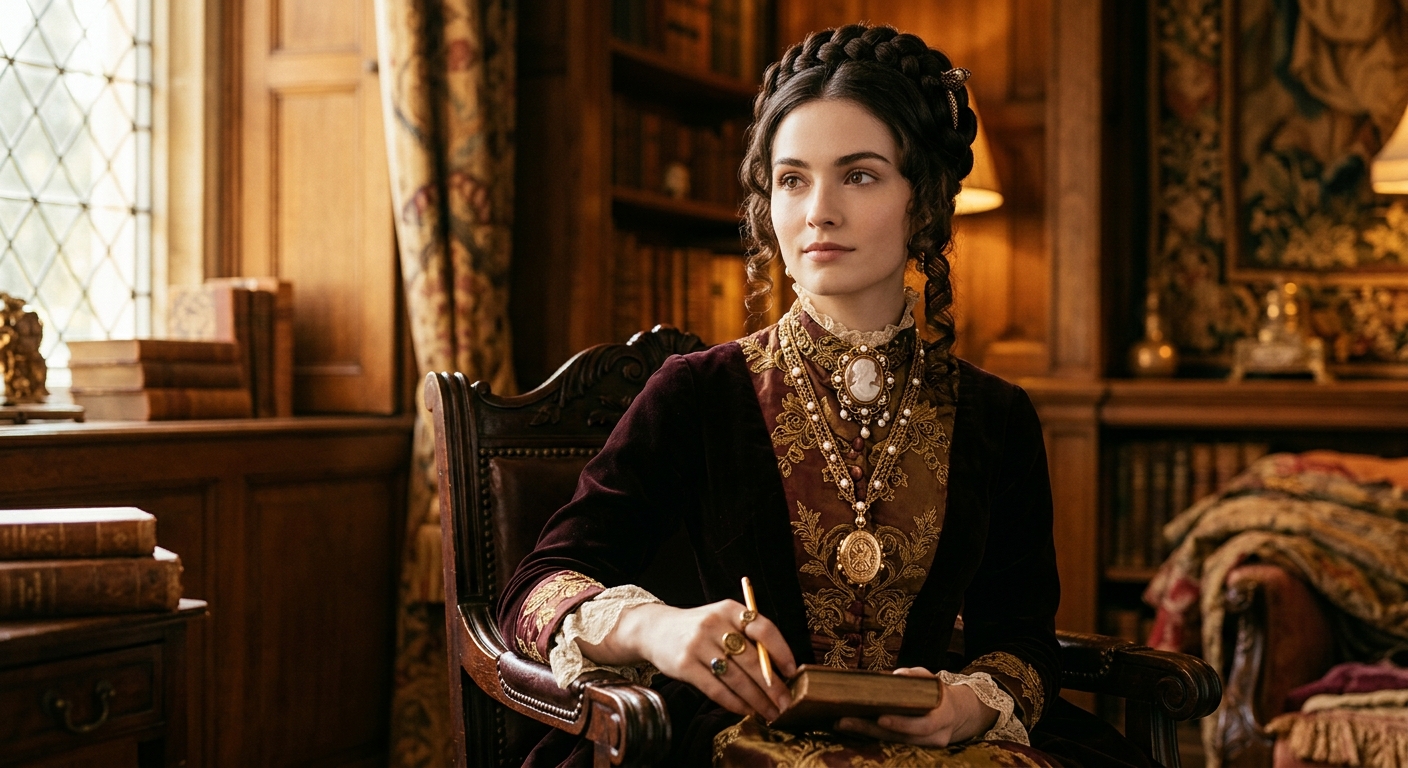
The Victorian era (1837-1901) was one of the most prolific periods for jewelry design. Queen Victoria's love of ornate, symbolic jewelry influenced fashion across Europe and America. Each piece told a story — through symbolism, materials, and craftsmanship.
Key Characteristics
- Ornate scrollwork and floral motifs
- Use of seed pearls and genuine gemstones
- Functional lockets that held photos or keepsakes
- Snake motifs symbolizing eternal love
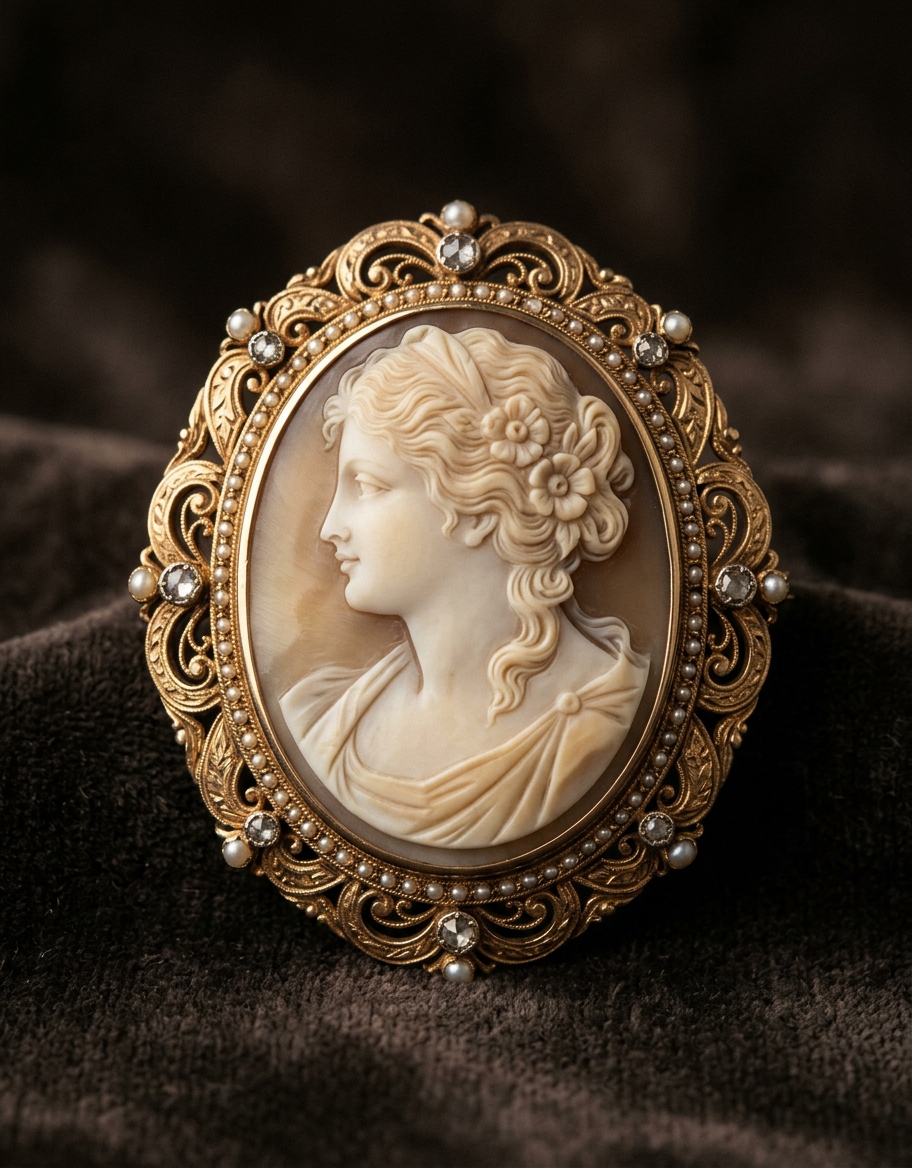
- Cameo carving from shell and stone
Materials and Techniques
Victorian jewelers worked with 14k gold, sterling silver, seed pearls, garnets, and cameos. The era saw the rise of granulation, filigree, and enameling. Each technique required years of apprenticeship to master.
Why Victorian Jewelry Endures
Victorian jewelry remains popular because it combines beauty with meaning. A locket holds a memory. A snake bracelet symbolizes eternal love. A cameo tells a story carved by hand. These pieces connect us to a time when jewelry was personal, symbolic, and made to last generations.
Conclusion
Whether you're a collector or simply appreciate beautiful craftsmanship, Victorian jewelry offers something that mass-produced modern pieces cannot — character, history, and a connection to the past.